
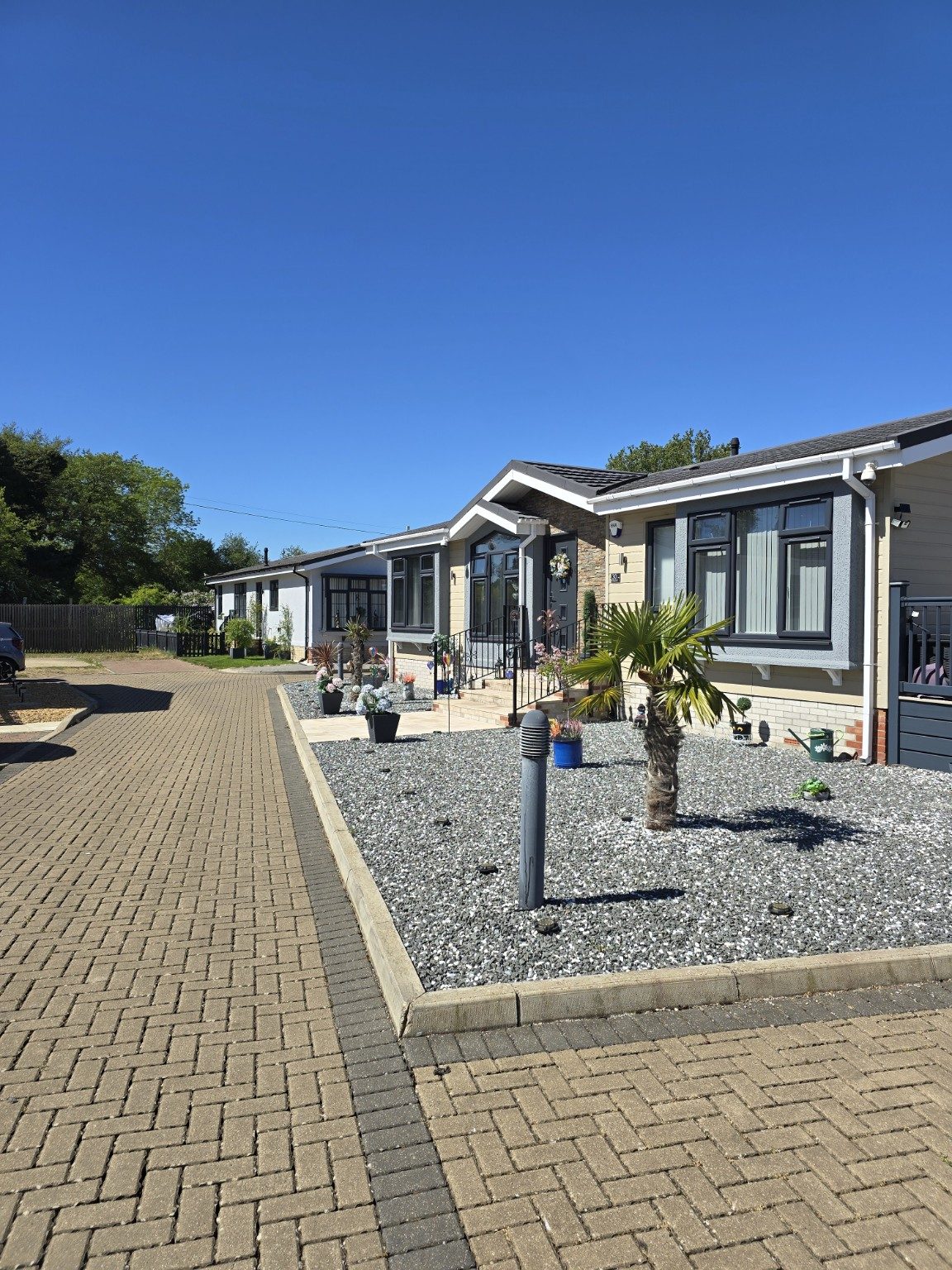
The early indicators
Doors that don't close cleanly — often a base movement clue before it's obvious anywhere else. Windows that stick or have visible gaps at corners. Hairline cracks at interior corners of rooms. Uneven floors detectable by walking — particularly across thresholds. Any new gap between the home and its skirting. Water pooling around the base in heavy rain. Visible movement at the chassis when you inspect the underside.
Got a Quote or Issue?
We'll take a proper look before you commit. Many quotes include unnecessary work or inflated costs.
No obligation. We'll review and highlight anything you should be aware of.
Most members recover the cost of the plan on their first issue.
What these signs mean (and don't mean)
Movement of half an inch over time on an old home is usually normal settlement and not an emergency. Acute new movement — over weeks, not years — is a different story and warrants a proper inspection.
Not every uneven floor is a base failure. Sometimes it's a chassis cross-bracing issue, or a localised pad/pier issue rather than the whole base. Diagnosis matters because the price difference between a localised correction and a full relevel can be four-figure.
What proper diagnosis looks like
An independent park home inspection covers: a level survey across the home, visual inspection of base and chassis, identification of root cause (soil, water, pad failure, chassis), and a recommended scope with options ranked by cost.
Avoid: contractors who quote for a full relevel without diagnosing the cause; quotes that don't differentiate between the symptom and the root cause; pressure to start work "before it gets worse".
Common scope abuses
Replacing all base materials when only some are failing. Correcting symptoms (relevelling) without addressing causes (water ingress, soil movement). Bundling roof or other work into a base quote. Open-ended day rates rather than fixed scope pricing.